Blog ·
Lighting Design for a Functional and Beautiful Kitchen
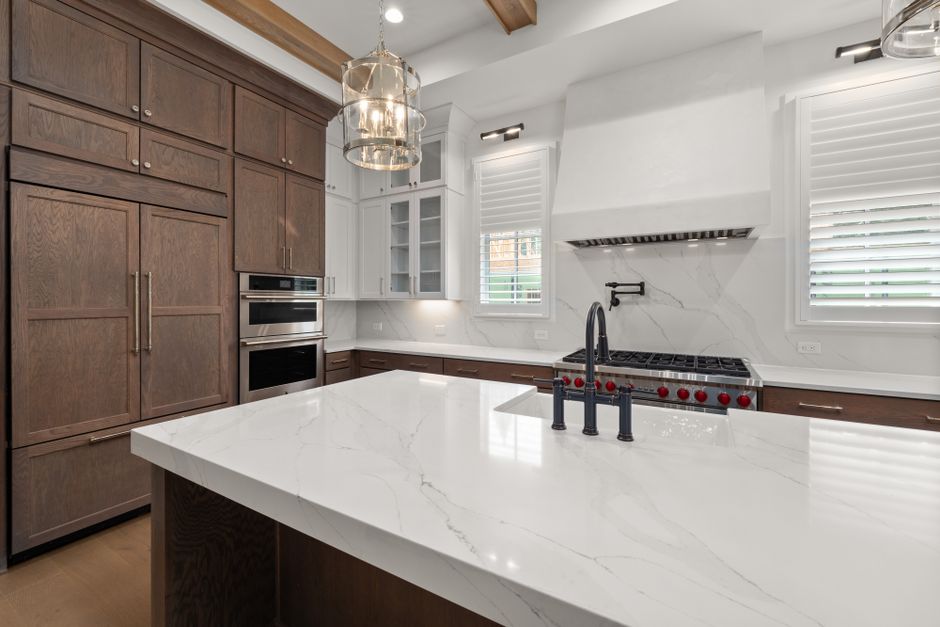
Proper lighting transforms your kitchen from merely functional to genuinely enjoyable. Most kitchens benefit from layered lighting—combining different types of fixtures to create versatility for various tasks and moods. During remodeling, addressing lighting comprehensively prevents shadows, dark corners, and eye strain that plague many kitchens.
Ambient Lighting Foundation
Ambient lighting provides general illumination throughout the kitchen. Ceiling-mounted fixtures or recessed lights serve this purpose. For standard nine-foot ceilings, place recessed lights approximately four to six feet apart. This spacing prevents harsh shadows and dark spots. When remodeling, wiring recessed lights into your ceiling becomes far easier before drywall and finished surfaces close off access.
Task Lighting Essentials
Task lighting directly illuminates work areas where you need visibility for precise activities. Under-cabinet lighting above countertops eliminates shadows cast by your body while chopping vegetables or reading recipes. This focused light improves safety and reduces eye strain significantly. Pendant lights suspended above islands provide direct illumination for meal prep and eating surfaces.
Above the stove, a range hood with integrated lighting handles cooking tasks. Above the sink, ensure adequate lighting for washing dishes and food preparation. These areas demand bright, focused light for safety and efficiency.
Accent and Decorative Lighting
Accent lighting highlights architectural features, artwork, or open shelving. Wall sconces flanking a kitchen window add ambiance. Display case lighting illuminates prized dishware or cookbooks. These layers create visual interest and make your kitchen feel intentional and designed, not purely utilitarian.
Choosing Fixture Types
Modern lighting technology offers numerous options. LED fixtures provide energy efficiency and long lifespan. Recessed ceiling lights suit clean, contemporary kitchens. Pendant lights bring character and come in countless styles. Chandeliers or statement fixtures work if your kitchen has adequate ceiling height. Track lighting offers flexibility for directing light precisely where needed.
Brightness and Color Temperature
Kitchens typically require brighter lighting than other rooms—aim for 4,000 to 5,000 lumens for a average-sized space. Color temperature matters too. Cooler light around 4,000 to 5,000 Kelvin promotes alertness during food preparation, though warmer light around 2,700 Kelvin creates coziness for dining and entertaining.
Planning for Flexibility
Install dimmer switches in ambient lighting circuits to adjust brightness for different occasions. Breakfast feels pleasant with full brightness; evening gatherings benefit from softer illumination. Pendant lights over islands with separate dimmer controls offer similar flexibility.
During your remodel, run electrical conduits and boxes throughout the ceiling before insulation and drywall installation. This planning phase ensures you can add or modify lighting later without costly reconstruction. Comprehensive lighting design elevates your kitchen from a workspace to a beautiful, functional heart of your home.